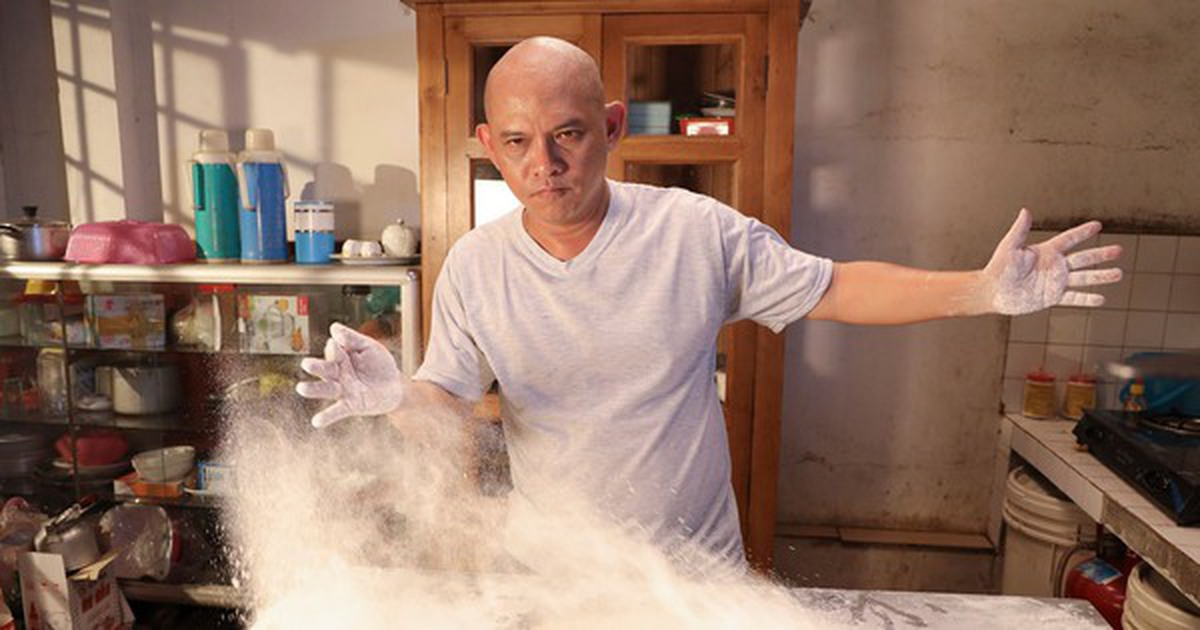

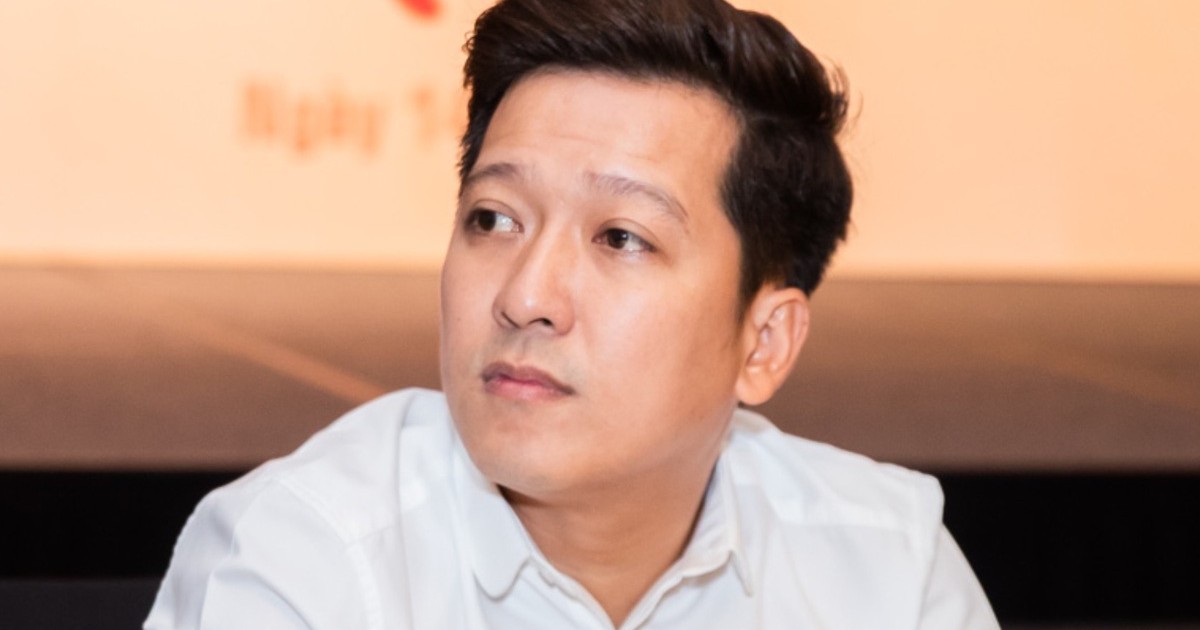
Trường Giang xin lỗi sau 10 ngày im lặng, vì sao vẫn chưa thể xoa dịu dư luận?
Summary Ten days of silence let the story worsen; a late apology followed by explanations beginning with “but” made it sound less sincere.
This page serves two groups of readers: journalists looking for expert comment, and readers and partners who want to read what I write.
 For readers & partnersRead my articlesOpinion pieces on society, education and health, plus analysis of the economy, aviation, infrastructure and business written for Vietnamese media.
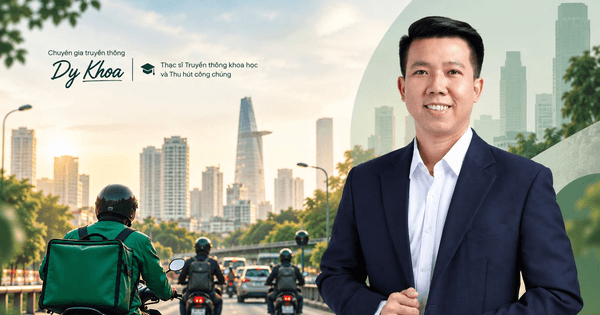
Nguyen Hoang Anh Khoa (Dy Khoa), MSc, lecturer, Faculty of Public Relations and Communication, Van Lang University
Short form: communication specialist Dy Khoa.
Nguyen Hoang Anh Khoa (Dy Khoa), MSc, is a lecturer at the Faculty of Public Relations and Communication, Van Lang University. He holds an MSc in Science Communication and Public Engagement with Distinction from Universiti Malaya (Malaysia) and has more than ten years of experience in journalism and health communication.
Nguyen Hoang Anh Khoa (pen name Dy Khoa), MSc, is a lecturer at the Faculty of Public Relations and Communication, Van Lang University, where he teaches integrated marketing communication (IMC), advertising strategy and communication planning. He earned an MSc in Science Communication and Public Engagement with Distinction from Universiti Malaya (Malaysia), a bachelor's degree in Journalism from the University of Social Sciences and Humanities (VNU-HCM), and trained as a general medical assistant (Y sĩ đa khoa).
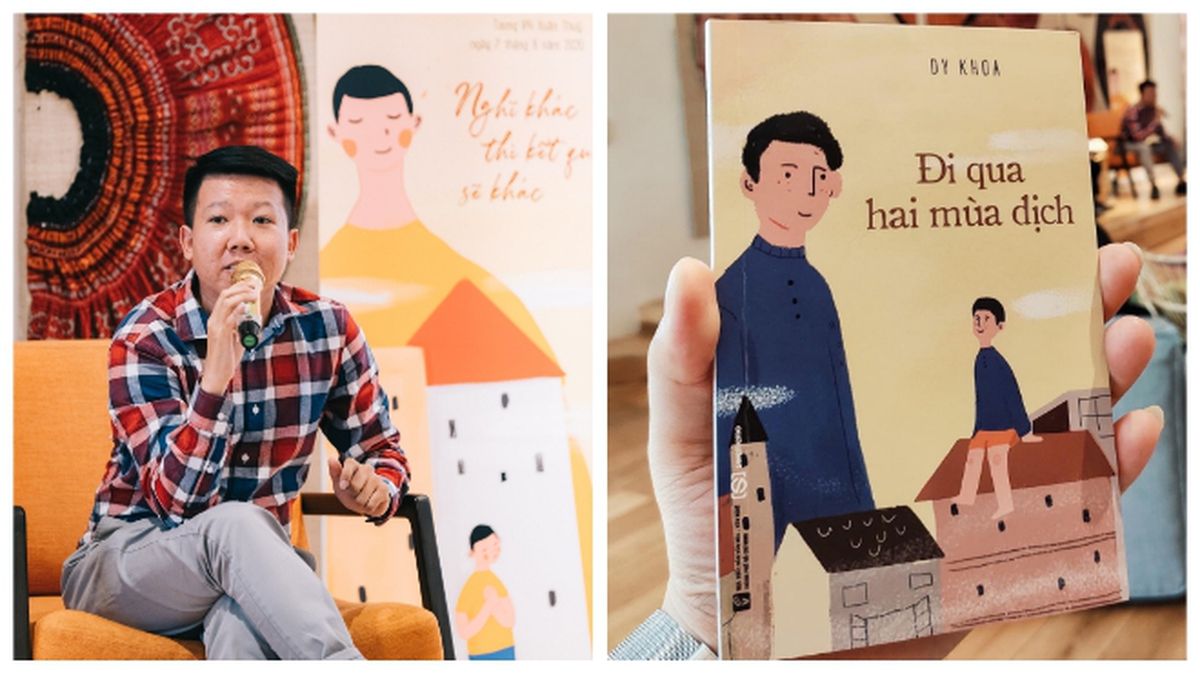
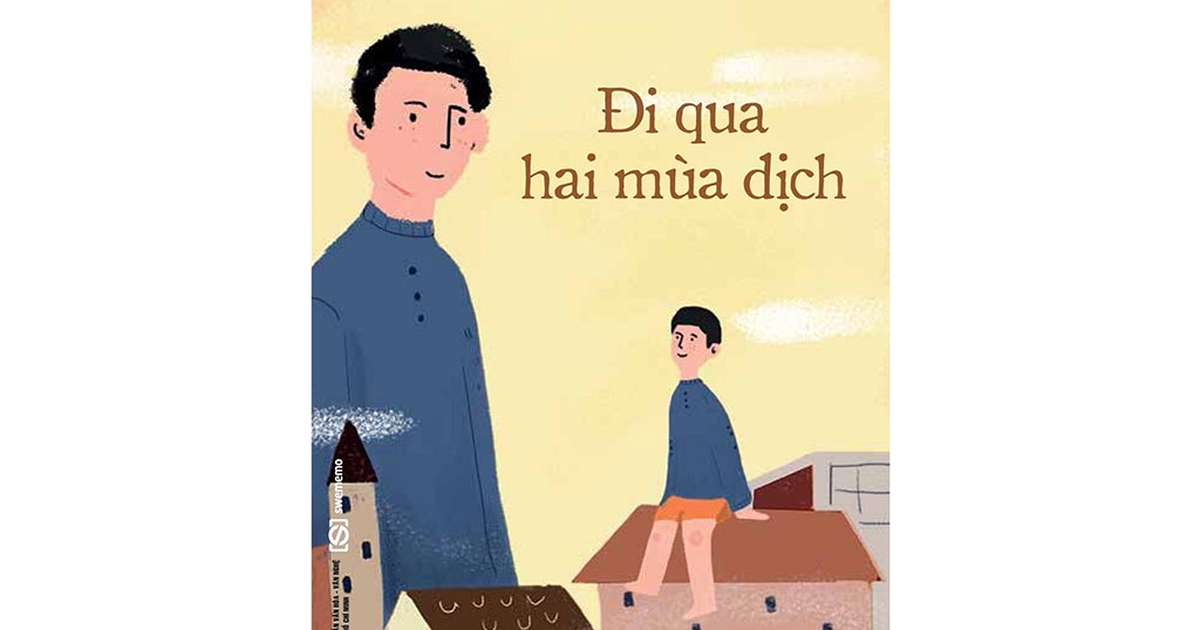
Over more than ten years in journalism, corporate and health communication, he has worked as Senior Content Manager at Hello Bacsi (Hello Health Group) and led communication at Jio Health, DNA Medical Technology and Doccen. He is the author of the book "Đi qua hai mùa dịch" (2020), writes opinion pieces for VnExpress and is regularly quoted by Vietnamese media on crisis communication, social media and health communication. He founded Dy Khoa Gives and the misinformation literacy programme Lá Chắn Thông Tin for high-school students.
Each topic links to coverage that carried my views.
Articles that interviewed me, quoted my views or wrote about me.
Summary Ten days of silence let the story worsen; a late apology followed by explanations beginning with “but” made it sound less sincere.
The hardest part of science communication is balancing accuracy, accessibility and appeal; chasing only the last two leads to miscommunication.
Staged conflicts are a form of “interactive drama” built to maximise views; several parties must act together to make shock content unprofitable.
Algorithms maximise engagement time, so they push provocative content and turn outrage into advertising revenue.
Producing deviant content for views is a cardinal sin in cultural creation; schools, families, platforms and regulators must provide guidance together.
HTV’s arts magazine programme meets Dy Khoa, a young author of the 1990s generation.
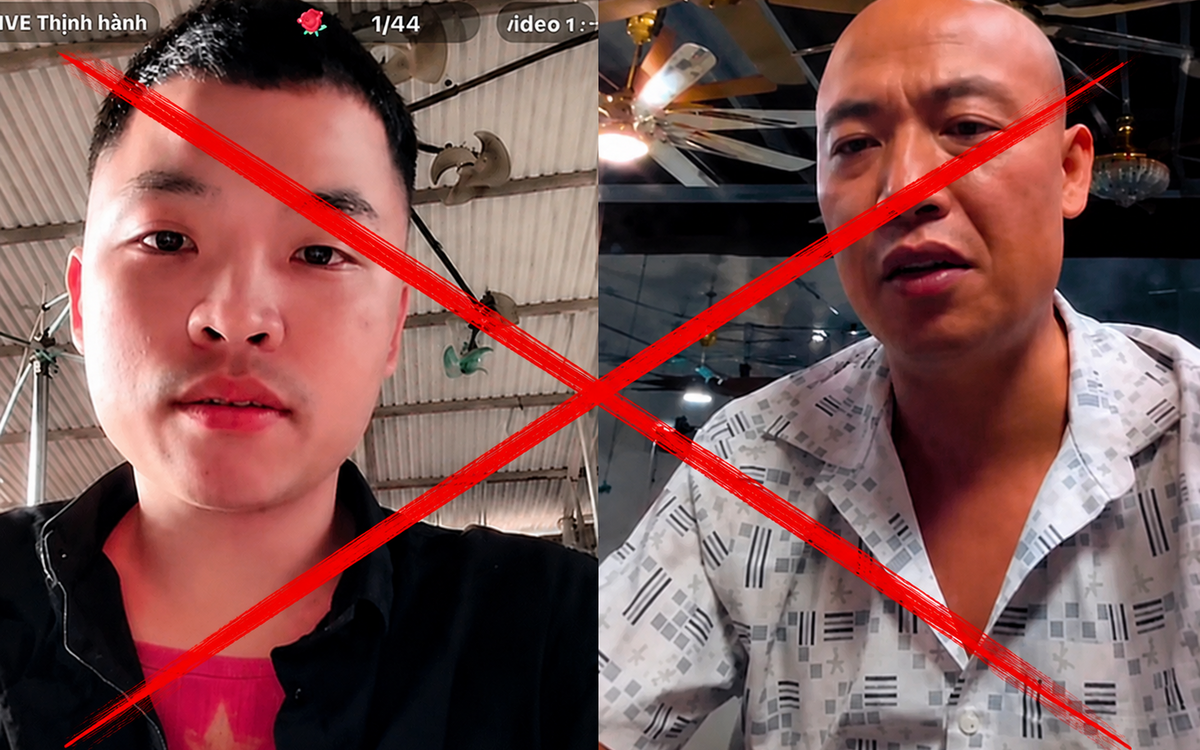
Self-styled online “experts” easily spread misinformation; repeated false content erodes viewers’ critical thinking.
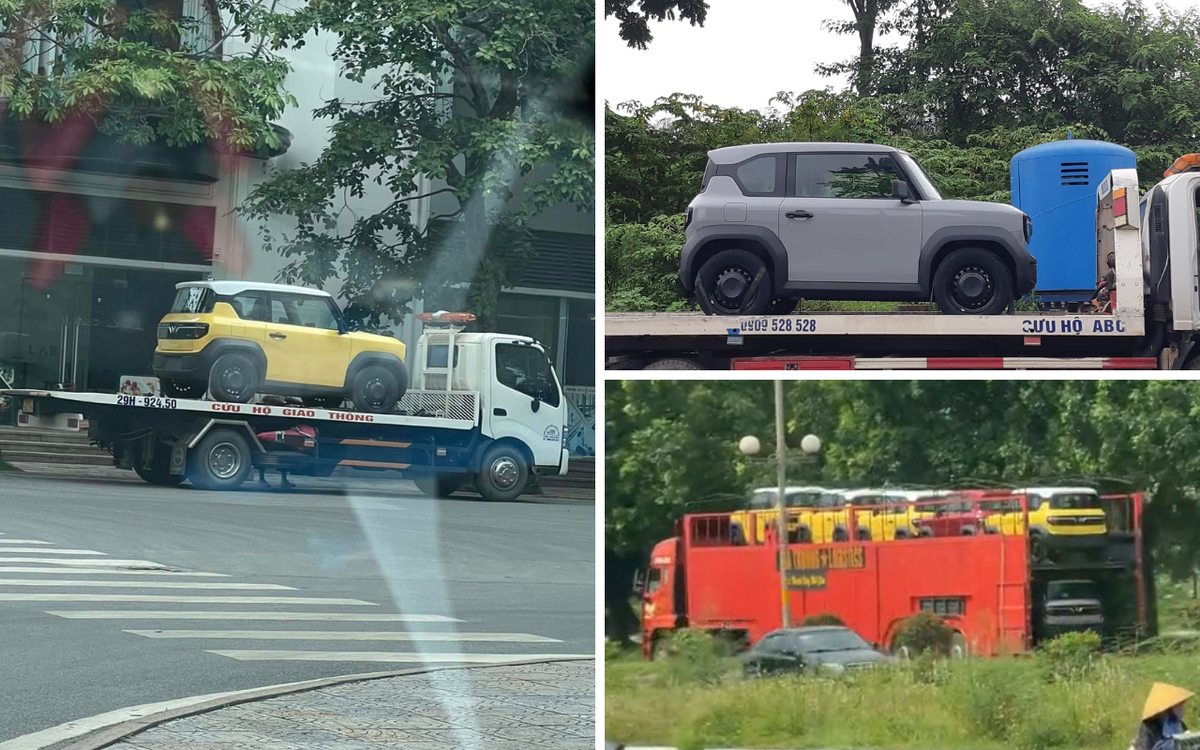
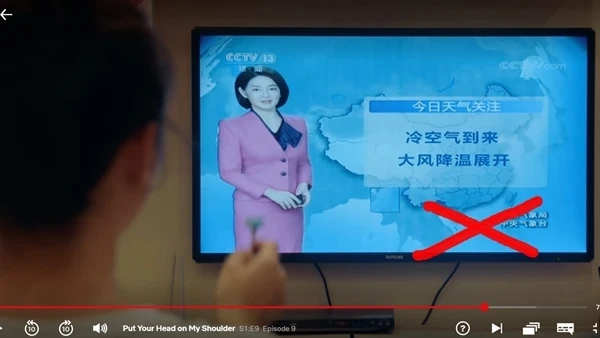
Images of the VF 3 appearing before launch work as a teaser to test customer reaction, but any malfunction could hurt the brand.
Online films that distort history or sovereignty, or glorify violence, need tighter regulation.
The timing of the entrance fee was poor; Hoi An should offer flexible passes and an experience worth paying for, so visitors do not feel aggrieved.
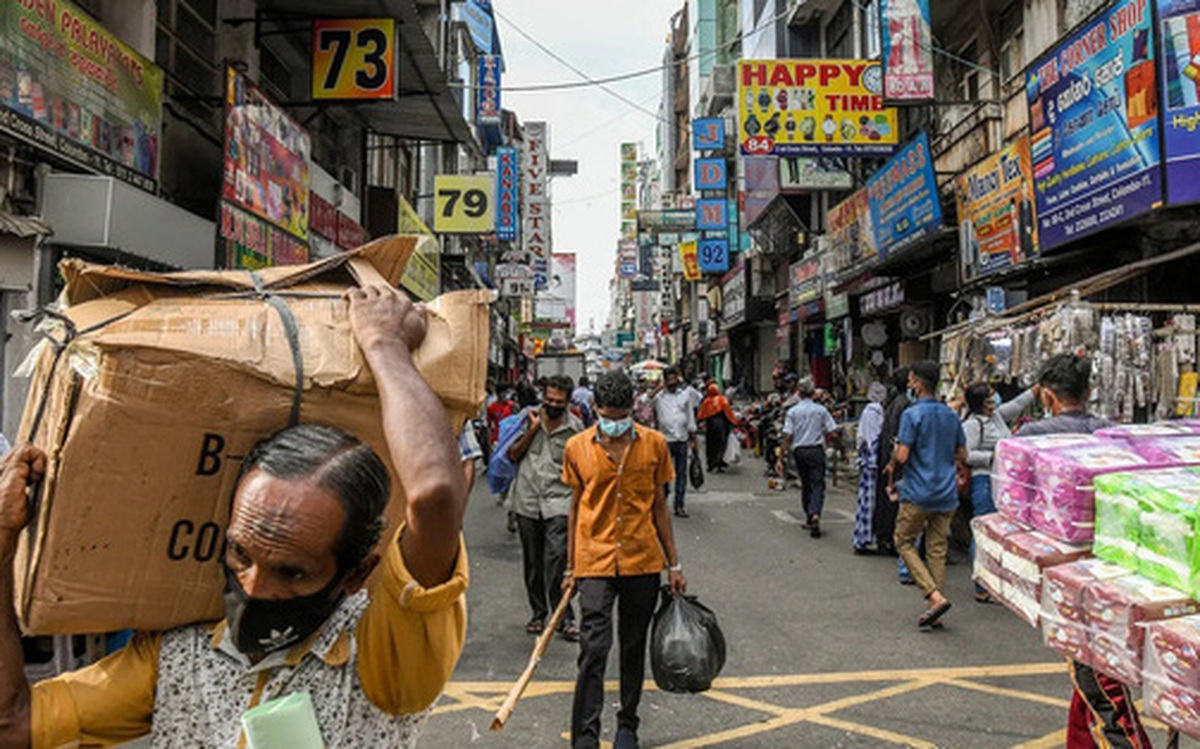
Despite its economic crisis, Sri Lanka will regain its reputation as a travel paradise thanks to its landscapes and hospitality.
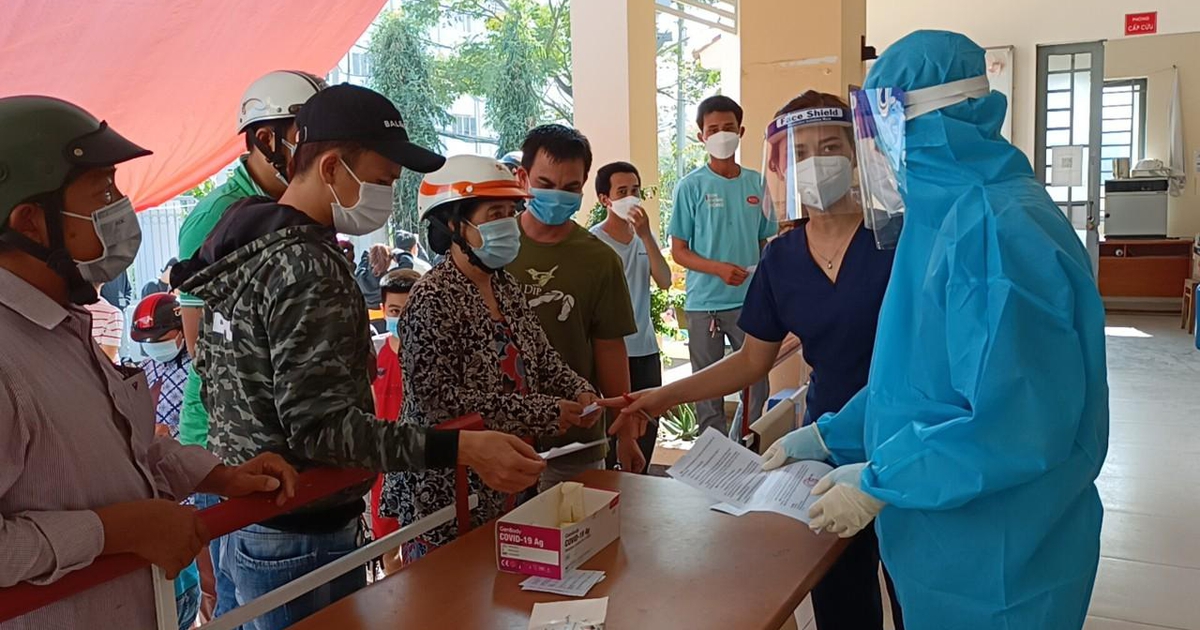
A volunteer’s experience supporting COVID‑19 patients treated at home in Ho Chi Minh City during the “new normal”.
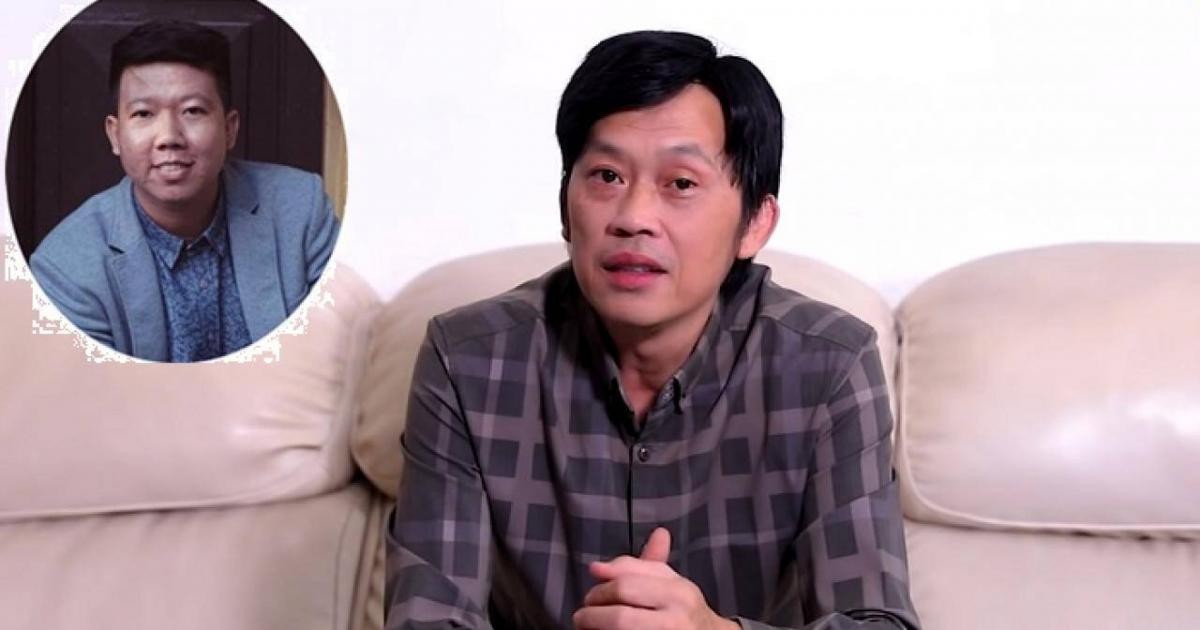
A complex crisis: staying silent is passive; the artist should address the public proactively and professionally.
Vietnam’s landscapes can rival famous destinations around the world.
A debut book written during lockdown, carrying a message of optimism.
A journalist’s view of two epidemics: A/H1N1 (2009) and COVID‑19 (2020).
Introducing “Đi qua hai mùa dịch” — notes on two epidemics from personal experience.
 29
29 29
29 16
16 14
14 10
10 3
3 2
2 2
2















Op-eds I wrote on social issues, education and health.
Summary Drivers switching off the app en masse is a warning signal, not something to punish; the platform should open a dialogue and be transparent about its commission formula.
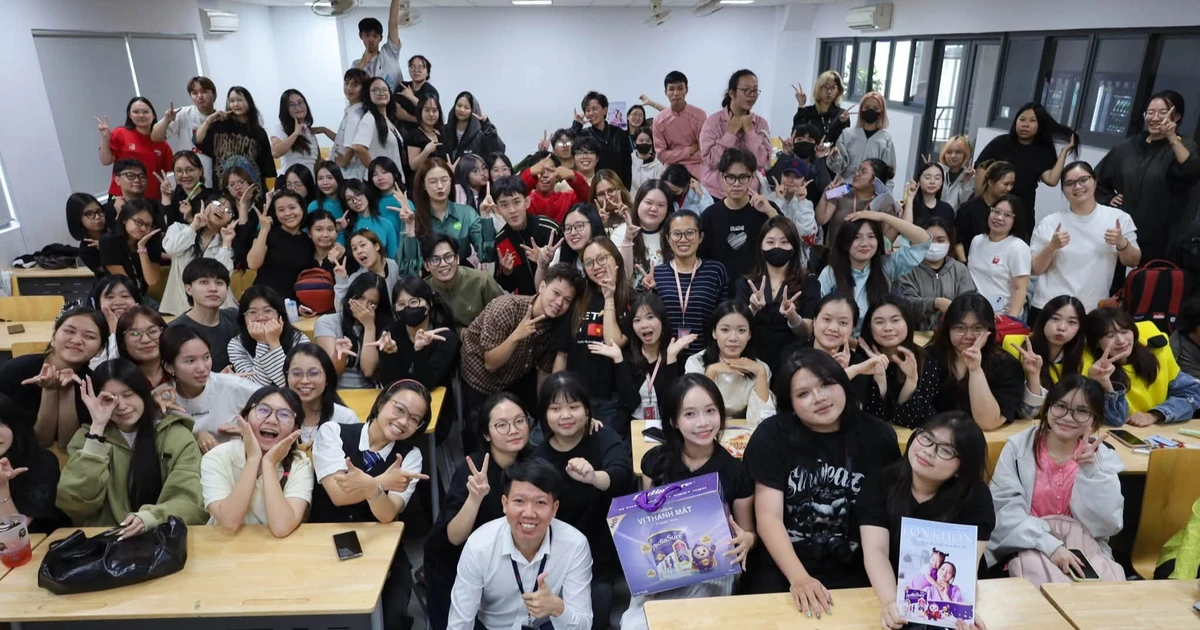
Why a young lecturer uses the informal “anh – em” form of address with students: today’s learners are tomorrow’s colleagues.
Students do not lack information; when choosing a major they lack quality conversations with parents and teachers, and real-world experience.
Crediting success to one individual makes a good story but oversimplifies reality; what matters is a strong science and technology ecosystem.
Callous online reactions to the death of a scientist; scientific proposals may be controversial, but their authors deserve respect.
The “hot-weather surcharge” is unconvincing when drivers still have to share part of it.
The habit of “waiting until it hurts” delays diagnosis; regular check-ups help detect disease early.
Besides teaching and communication work, I write analysis on the economy, aviation, infrastructure and business, as well as opinion pieces on social issues, for Vietnamese media outlets. Here are my articles from 2021 to today. Headlines are in Vietnamese.
Pieces republished by several outlets (credited “Theo Dy Khoa”) are counted once, with links to the other copies. This list was compiled with AI assistance and may be incomplete.